In the bustling kitchen laboratory, cooking oils are more than just a base ingredient; they are the catalysts that transform raw ingredients into culinary masterpieces. However, not all oils are created equal, and navigating the myriad options can be as daunting as decoding a cryptic recipe. Let's distill the complexities of cooking oils with the guidance of nutrition experts to uncover the essence of healthy oils and their optimal uses.
The Healthy Fat Profile
Cooking oils are a melting pot of monounsaturated fatty acids (MUFAs), polyunsaturated fatty acids (PUFAs), and saturated fatty acids (SFAs). The dominant fatty acid in an oil determines its heat stability and health benefits. MUFA-rich oils, such as those high in oleic acid or omega-9, are considered the safest for cooking due to their heart-healthy properties and resistance to inflammation. They are also more heat-stable than PUFAs, which are essential but less stable and more prone to degradation when exposed to light, heat, and oxygen.
The Extraction and Refinement Process
The path from seed to bottle is crucial in determining an oil's nutritional integrity. Unrefined or naturally refined oils preserve more nutrients, phytochemicals, and flavor. These oils undergo minimal processing, which helps maintain their beneficial compounds. On the other hand, highly refined oils, often derived using chemical solvents and high heat, can damage fat molecules and reduce phytochemicals and nutrients.
The Smoke Point Spectrum
The smoke point of an oil is the temperature at which it begins to break down and produce smoke. Oils with a low smoke point are less desirable for cooking as they can burn more easily, leading to the formation of pro-inflammatory compounds. However, not all cooking requires a high smoke point; moderate smoke point oils can be suitable for many cooking methods, especially when buffered by food.
The Healthiest Cooking Oils Decoded
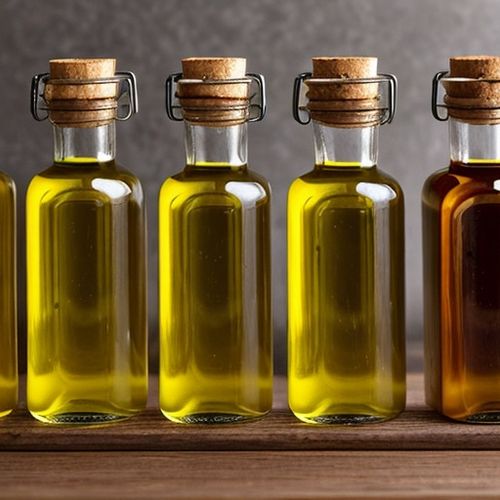
1. Extra-Virgin Olive Oil (EVOO): A liquid gold, rich in oleic acid and a plethora of nutrients and antioxidants. EVOO is a powerhouse against cardiovascular disease and inflammation, with a proven track record in research.
2. Avocado Oil: This green elixir, pressed from the heart of the avocado, is a MUFA treasure trove and a phytochemical delight. It's a versatile oil suitable for a variety of cooking methods, from drizzling to high-heat cooking.
3. Almond Oil: A nutty addition to your pantry, almond oil is a vitamin E-rich liquid that supports cholesterol health and adds a delicate flavor to dishes.
4. Sesame Oil: This oil carries the nutty flavors and antioxidant properties of sesame, making it a staple in Asian cuisine and a valuable addition to a healthy diet.
5. Flaxseed, Hemp, and Chia Oils: These oils are a rich source of plant-based omega-3 PUFAs, essential for heart and brain health. However, they are delicate and should not be heated.
6. Coconut Oil: A controversial figure in the health food arena, coconut oil has its merits, particularly in its unrefined form, rich in medium-chain triglycerides (MCTs). It's best used in moderation and for specific applications where its unique properties shine.
Oils to Limit or Avoid
Highly refined vegetable and seed oils, often high in omega-6 PUFAs and stripped of beneficial compounds, are best limited. These oils, including soybean, corn, and canola oils, are more prone to oxidation and offer less nutritional value.
Storing Your Oils
Proper storage is key to preserving the quality and nutritional benefits of your oils. Keep them in a cool, dark place, away from heat and light. Opt for dark glass bottles over plastic to prevent oxidation.
The Final Word
Cooking oils are not a one-size-fits-all solution, but understanding their fat profiles, refinement processes, and smoke points can guide you to the healthiest choices for your culinary needs. Remember, a balanced diet that includes a variety of oils can support your health goals and enhance your culinary creations. Choose wisely, and let the flavors of a healthy kitchen dance on your taste buds.
By Michael Brown/Jan 1, 2025
By Sophia Lewis/Jan 1, 2025
By George Bailey/Jan 1, 2025
By Emma Thompson/Jan 1, 2025

By Emma Thompson/Jan 1, 2025
By Michael Brown/Jan 1, 2025

By Grace Cox/Jan 1, 2025

By Lily Simpson/Jan 1, 2025

By Eric Ward/Jan 1, 2025

By Eric Ward/Jan 1, 2025
By Thomas Roberts/Dec 28, 2024
By Christopher Harris/Dec 28, 2024
By Emma Thompson/Dec 28, 2024
By Rebecca Stewart/Dec 28, 2024
By Noah Bell/Dec 28, 2024

By Megan Clark/Dec 28, 2024
By John Smith/Dec 28, 2024
By Lily Simpson/Dec 28, 2024
By George Bailey/Dec 28, 2024
By James Moore/Dec 28, 2024