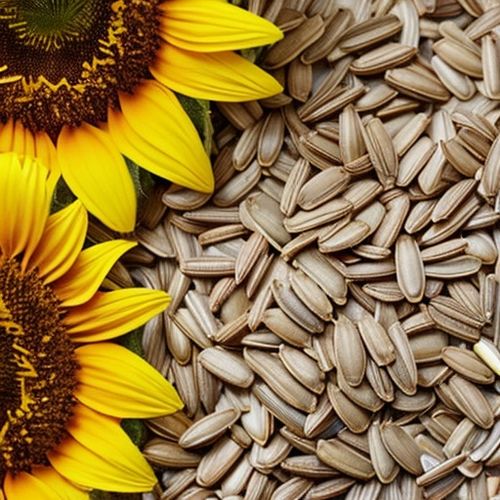
Sunflower seeds, those unassuming yet powerful morsels, are more than just a crunchy snack; they are a nutritional treasure trove that can elevate the health quotient of any diet. Whether you're embracing a plant-based lifestyle or seeking to diversify your nutritional intake, these seeds are a must-add to your culinary repertoire.
Heart-Healthy Heroes
The heart is the engine of our body, and sunflower seeds are a mechanic's dream come true. Brimming with dietary fiber, they play a pivotal role in maintaining healthy cholesterol levels. Registered dietitian Molly Knudsen, M.S., RDN, emphasizes that incorporating sunflower seeds into your weekly meal plan can significantly promote heart health by supporting favorable cholesterol and blood pressure levels. A handful of these seeds a day is recommended to keep your heart in tip-top shape.
Plant-Based Protein Powerhouse
In the quest for protein, sunflower seeds stand tall, delivering about 5 grams per handful. This makes them an excellent snack option to keep you satiated and energized throughout the day. For those following a plant-based diet or simply looking for alternative protein sources, sunflower seeds are a protein-packed ally.
Immunity Boosters
When it comes to bolstering your immune system, sunflower seeds are armed and ready. Packed with essential minerals like zinc and selenium, these seeds provide a defensive shield against common ailments. Regular consumption is key to harnessing their immune-boosting potential, making them a valuable addition to your daily diet.
Anti-Inflammatory and Antioxidant Warriors
While sunflower oil may have a controversial reputation due to refining processes, sunflower seeds are a different story. Rich in vitamin E and flavonoids, they offer anti-inflammatory benefits that can protect against inflammation and自由基损伤. As Cannon, J.D., R.D., points out, the high vitamin E and selenium content in sunflower seeds provide antioxidants that safeguard your body's cells from free radicals.
Incorporating Sunflower Seeds into Your Diet
Sunflower seeds are not just for the bag; they are a versatile ingredient that can enhance a variety of dishes. Knudsen shares her preference for toasting sunflower seeds with a pinch of salt and sprinkling them on salads, quinoa, and veggie bowls throughout the week. Cannon suggests using them in pesto as a pine nut substitute or to create a vegan Parmesan cheese alternative. Adding them to cereal and oatmeal can boost the fiber, plant-based protein, and healthy fat content of these typically carbohydrate-heavy meals.
However, it's crucial to be mindful of the sodium content in packaged sunflower seeds. Opting for unsalted varieties and seasoning at home allows you to control the flavor profile while keeping sodium intake in check.
Nutritional Value of Sunflower Seeds
A 1-ounce serving (about a handful) of toasted, unsalted sunflower seeds, as provided by the USDA Food Database, contains:
The Takeaway
Sunflower seeds are a delicious and versatile addition to any diet, offering a plethora of health benefits. For a simple yet effective way to enhance your eating habits, look no further than these magnesium-rich seeds. Whether you're crafting a zesty pesto or a crunchy granola, sunflower seeds are a nutritional asset worth cherishing.
By Michael Brown/Jan 1, 2025
By Sophia Lewis/Jan 1, 2025
By George Bailey/Jan 1, 2025
By Emma Thompson/Jan 1, 2025

By Emma Thompson/Jan 1, 2025
By Michael Brown/Jan 1, 2025

By Grace Cox/Jan 1, 2025

By Lily Simpson/Jan 1, 2025

By Eric Ward/Jan 1, 2025

By Eric Ward/Jan 1, 2025
By Thomas Roberts/Dec 28, 2024
By Christopher Harris/Dec 28, 2024

By Emma Thompson/Dec 28, 2024
By Rebecca Stewart/Dec 28, 2024
By Noah Bell/Dec 28, 2024

By Megan Clark/Dec 28, 2024
By John Smith/Dec 28, 2024
By Lily Simpson/Dec 28, 2024
By George Bailey/Dec 28, 2024
By James Moore/Dec 28, 2024