In the pursuit of a balanced and nutritious diet, protein stands as a cornerstone, essential for building muscles, producing hormones, and crafting the neurotransmitters that govern our mood and cognitive function.
While animal-based proteins are often lauded for their complete amino acid profiles, plant-based diets offer a rich tapestry of protein sources that can more than meet our daily requirements. Registered Dietitian Jillian Kubala, MS, RD, sheds light on the often-overlooked protein powerhouses within the vegetable kingdom, debunking the myth that plant-based diets are protein-deficient.
Lentils, those nutritional gems adored by dietitians and nutritionists alike, lead the charge with their impressive protein content, providing nearly 30% more protein than two large eggs. With 17.9 grams of protein per cooked cup, lentils are not just a source of protein but also a reservoir of essential amino acids like leucine, isoleucine, lysine, valine, and phenylalanine. Their versatility in the kitchen knows no bounds, from soups and grain bowls to salads, lentils are a protein-rich addition to any meal.
Kidney beans, another protein-rich legume, offer a hearty 15.3 grams of protein per cooked cup, and are a vital source of folate, a vitamin crucial for fetal development. Their soft texture and nutty flavor make them a staple in vegan chili, providing a satisfying and protein-packed meal.
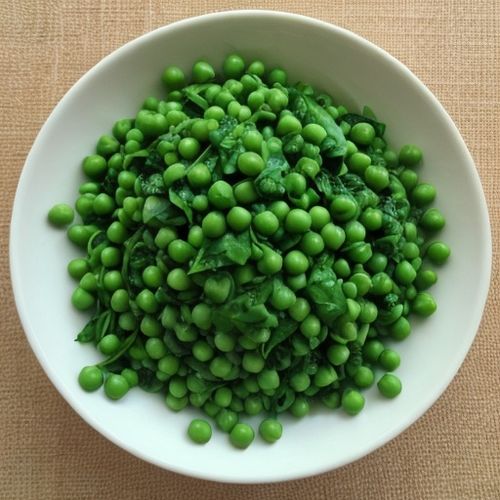
Green peas, often underestimated, deliver a protein punch with 8.58 grams per cooked cup, along with a wealth of vitamins A, C, and K, and the B vitamins folate and thiamine. Peas are a good source of leucine, lysine, and phenylalanine, and their vibrant color and flavor enhance rice pilafs and pastas, or serve as a standalone side dish.
Black beans, with their 15.2 grams of protein per cooked cup, are a good choice for those looking to increase their protein intake. They pair well with a variety of foods, adding texture and flavor while boosting the nutritional value of recipes like tacos, burritos, and chili.
Edamame, a cup of which contains more protein than two cups of milk, provides 18.4 grams of protein per cooked cup and covers over 100% of your daily folate needs. High in leucine, lysine, and phenylalanine, edamame can be enjoyed as a protein-packed snack or added to recipes like peanut noodles and salads.
Peanuts, though commonly considered a nut, are technically a legume and are high in protein, with 7.43 grams per ounce. They are also a good source of magnesium, folate, and vitamin E, which functions as a powerful antioxidant in the body.
Spinach, while not containing a lot of protein, has an impressive amount compared to other nonstarchy vegetables, with 5.35 grams per cooked cup. It is also an excellent source of vitamins A, C, K, calcium, iron, and magnesium.
Fava beans, with their buttery taste and creamy texture, are rich in protein with 12.9 grams per cooked cup and are a good source of minerals like magnesium, copper, potassium, and zinc.
Asparagus, high in leucine, lysine, and valine, contains 4.32 grams of protein per cooked cup and makes an excellent addition to grain bowls, pastas, and egg dishes.
Artichokes, known for their high fiber content, provide 4.9 grams of protein per cooked cup and are a good source of vitamins C and K, folate, and minerals like magnesium and potassium.
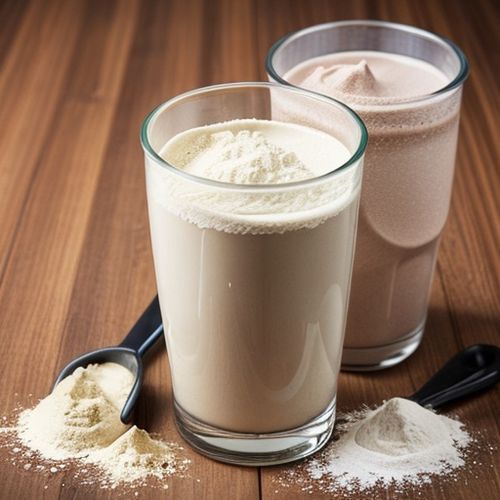
The key to getting enough protein from plants is to incorporate a variety of protein-rich vegetables into your meals and snacks. Legumes, seeds, nuts, tofu, high-protein vegetables, and plant-based protein powders can help you hit your protein goals. The notion that plant-based diets are incomplete without pairing proteins at each meal is outdated; as long as you consume a varied diet that provides all the amino acids your body needs daily, you are well-equipped to maintain optimal protein intake.
In conclusion, the plant kingdom offers a bountiful array of protein-rich options that can not only meet but exceed our protein needs. By embracing the diversity of plant-based proteins, we can craft meals that are not only nutritious but also delicious, proving that a plant-based diet can be a viable and satisfying choice for those seeking to boost their protein intake.
By Michael Brown/Jan 1, 2025
By Sophia Lewis/Jan 1, 2025
By George Bailey/Jan 1, 2025
By Emma Thompson/Jan 1, 2025

By Emma Thompson/Jan 1, 2025
By Michael Brown/Jan 1, 2025

By Grace Cox/Jan 1, 2025

By Lily Simpson/Jan 1, 2025

By Eric Ward/Jan 1, 2025

By Eric Ward/Jan 1, 2025
By Thomas Roberts/Dec 28, 2024
By Christopher Harris/Dec 28, 2024

By Emma Thompson/Dec 28, 2024
By Rebecca Stewart/Dec 28, 2024
By Noah Bell/Dec 28, 2024

By Megan Clark/Dec 28, 2024
By John Smith/Dec 28, 2024
By Lily Simpson/Dec 28, 2024
By George Bailey/Dec 28, 2024
By James Moore/Dec 28, 2024