Navigating the labyrinth of nutritional choices is a daily challenge, with decisions ranging from oat milk to regular milk, white bread to whole grain, and chicken to fish. Amidst these myriad options, the debate between brown rice and white rice stands out as a prevalent nutritional quandary. Which one reigns supreme in the culinary arena of health and nutrition?
The Nutritional Showdown: Brown Rice vs. White Rice
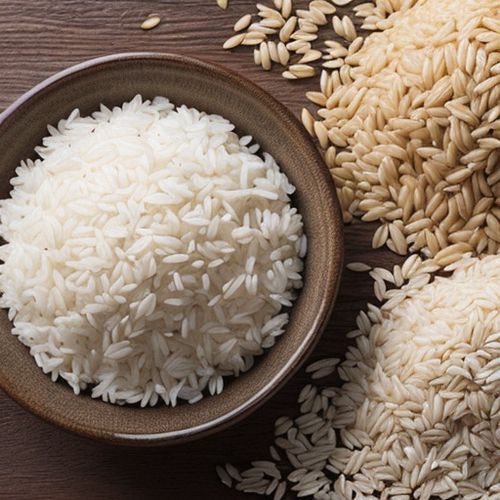
Brown rice is often lauded for its nutrient density, making it a healthier choice over white rice. It is a minimally processed whole grain that retains all parts of the grain kernel, including the bran, germ, and endosperm. This holistic approach to rice consumption translates to a wealth of fiber, vitamins, minerals, and phytonutrients that support gut health, balanced blood sugar, and overall metabolic health.
On the other hand, white rice, which is not considered a whole grain, has had its bran removed, transforming it into a refined grain. Despite its refined status, white rice is not inherently bad for you. It can be a better option for those who struggle to digest fiber or seek relief from occasional stomachaches.
Health Benefits of Brown Rice
1. Gut Microbiome Support: Brown rice's outer bran layer and germ are rich in fiber and other nutrients that contribute to a diverse and healthy gut microbiome. This diversity is crucial for proper fermentation in the colon, a factor linked to reduced gas and improved symptoms of irritable bowel syndrome (IBS).
2. Blood Sugar Balance: For individuals with diabetes or blood sugar concerns, brown rice is generally recommended due to its lower glycemic index and higher fiber content. Some studies suggest that swapping white rice for brown could reduce the risk of Type 2 diabetes.
3. Weight Management and Metabolism: Brown rice consumption has been shown to aid in weight loss and waist circumference reduction, supporting weight management and metabolic health due to its rich fiber content and ability to support blood sugar balance.
Is White Rice Bad for You?
While brown rice is more nutrient-dense, white rice is not necessarily unhealthy. In many East Asian cultures, white rice is a dietary staple, consumed daily as part of a balanced and healthy diet. The key is to pair white rice with fiber and nutrient-dense foods to compensate for its lower nutrient profile.
Why Traditional Chinese Medicine Praises White Rice
In Traditional Chinese Medicine, white rice is valued for its ability to "warm the center," strengthening the digestive system and easing discomfort, particularly for those who are weak, sick, or prone to diarrhea.
Arguments Against Brown Rice
Brown rice does have its downsides, mainly when consumed in large quantities or daily. It contains trace amounts of arsenic, which is primarily found in the outer layer. Additionally, its high fiber content can pose challenges for individuals with sensitive digestive systems or those dealing with gut imbalances.
Other Grains to Consider
If you're looking for a more nutrient-dense grain but brown rice doesn't suit your taste preferences, consider alternatives such as quinoa, barley, farro, bulgur, cauliflower rice, millet, or wild rice. You can also mix brown rice into your white rice to help your palate adjust to the new grain.
The Takeaway
When comparing brown and white rice, the former wins for nutrient density. The additional fiber and prebiotics in brown rice contribute to its benefits for gut health, blood sugar, and metabolic health. However, this does not mean that white rice is bad for you; rather, brown rice simply packs a more potent nutritional punch. If you're seeking more fiber on your plate but aren't ready to make the switch, consider incorporating a variety of fiber-rich foods into your daily menu. Ultimately, the choice between brown and white rice should be guided by individual health goals, dietary preferences, and the balance of your overall plate.

By Michael Brown/Jan 1, 2025
By Sophia Lewis/Jan 1, 2025
By George Bailey/Jan 1, 2025
By Emma Thompson/Jan 1, 2025

By Emma Thompson/Jan 1, 2025
By Michael Brown/Jan 1, 2025

By Grace Cox/Jan 1, 2025

By Lily Simpson/Jan 1, 2025

By Eric Ward/Jan 1, 2025

By Eric Ward/Jan 1, 2025

By Thomas Roberts/Dec 28, 2024
By Christopher Harris/Dec 28, 2024

By Emma Thompson/Dec 28, 2024

By Rebecca Stewart/Dec 28, 2024
By Noah Bell/Dec 28, 2024

By Megan Clark/Dec 28, 2024
By John Smith/Dec 28, 2024
By Lily Simpson/Dec 28, 2024
By George Bailey/Dec 28, 2024

By James Moore/Dec 28, 2024