Nordic walking, a fitness phenomenon with roots in Finland, has emerged as an innovative approach to elevate the traditional act of walking into a full-body workout. This method, initially designed as a summer training regimen for cross-country skiers, has transcended its athletic origins to become a popular choice for health enthusiasts seeking a more engaging and beneficial form of exercise. As with any new fitness trend, it is essential to understand the intricacies of Nordic walking, its health benefits, potential risks, and how it can be integrated into a holistic wellness routine.
Understanding Nordic Walking
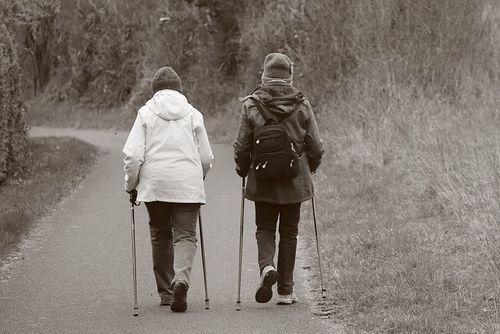
At its core, Nordic walking is a dynamic activity that combines the rhythm of walking with the use of specialized poles. These poles are not mere accessories but are engineered to provide stability and support, allowing participants to engage their upper body—specifically the arms, shoulders, and back—during the walking motion. This dual engagement of both upper and lower body muscles sets Nordic walking apart from traditional walking, which primarily targets the lower body.
To embark on a Nordic walking journey, one must invest in a pair of adjustable Nordic walking poles. The technique involves standing upright with the poles at one's sides, engaging the core, and then using the poles to push off and propel oneself forward. Maintaining a natural stride, the poles assist in moving the body forward, creating a fluid and continuous motion.
Health Benefits of Nordic Walking
1. Cardiovascular Health Enhancement
Nordic walking has been shown to significantly improve cardiovascular health. A study published in Scientific Reports demonstrated that individuals with heart disease who practiced Nordic walking experienced better cardiovascular outcomes than those who walked without poles. This low-impact activity not only eases the strain on joints but also delivers a robust cardiovascular workout, as explained by Rachel MacPherson, CPT, an ACE-certified personal trainer. The activity has been linked to improvements in resting heart rate, blood pressure, fitness levels, oxygen consumption, and overall quality of life.
2. Muscular Strength Improvement
By incorporating the upper body through the use of poles, Nordic walking activates muscles that are often neglected in traditional walking. This engagement has been shown to reduce lower back pain and increase lower body and grip strength, which is crucial for maintaining healthy and independent aging.
3. Supporting Weight Loss
A 2013 review in The American Journal of Preventive Medicine indicated that Nordic walking can burn up to 22% more calories than brisk walking. The increased muscle engagement and the additional weight of the poles contribute to this elevated calorie burn, which can support energy balance and contribute to healthy weight maintenance or loss.
4. Joint Health Support
As a low-impact exercise, Nordic walking is gentle on the joints, making it an excellent choice for individuals with joint concerns. The activity enhances flexibility, mobility, and balance, leading to improved movement in the ankle, hip, and shoulder joints, even when not engaging in Nordic walking.
5. Enhanced Sleep Quality
While regular walking can improve sleep quality, Nordic walking may offer even more significant benefits. By reducing anxiety and stress, Nordic walking contributes to a better night's sleep, which is essential for overall health and well-being.
Potential Risks of Nordic Walking
Despite its numerous benefits, Nordic walking does come with potential risks. Incorrect form can lead to pain or strain on the elbows, shoulders, or wrists. Additionally, for those with balance issues, the use of poles may pose a risk, as it could impede the ability to brace oneself in the event of a fall.
Who Should Avoid Nordic Walking?
Individuals with certain conditions, such as severe osteoarthritis, recent surgery, or acute joint injuries, should exercise caution or avoid Nordic walking altogether. Consulting with a healthcare provider or physical therapist is advised before embarking on this fitness journey.
Incorporating Nordic Walking into Your Routine
To maximize the benefits of Nordic walking, it is essential to incorporate variety into one's exercise routine. Combining Nordic walking with other low-impact cardio exercises like swimming or cycling can keep the routine engaging and effective. Joining a Nordic walking group can also provide motivation and support in achieving health and fitness goals.
Staying hydrated is crucial during any physical activity, and Nordic walking is no exception. Drinking water before, during, and after walks helps maintain hydration. For longer bouts of activity, consuming electrolyte drinks can help replenish the electrolytes lost through sweat.
The Bottom Line
Nordic walking stands out as a low-impact exercise with numerous health benefits, from improved cardiovascular fitness to increased muscular strength, weight loss support, joint health, and enhanced sleep quality. However, individuals with severe osteoarthritis, joint injuries, or other underlying health conditions should exercise caution or consult with their healthcare provider before engaging in Nordic walking. By incorporating Nordic walking into a weekly fitness routine, one can experience a transformative impact on overall health and well-being.
By Megan Clark/Jan 3, 2025

By Victoria Gonzalez/Jan 3, 2025

By Jessica Lee/Jan 3, 2025

By George Bailey/Jan 3, 2025

By Emma Thompson/Jan 3, 2025

By Victoria Gonzalez/Jan 3, 2025

By David Anderson/Jan 3, 2025

By Michael Brown/Jan 3, 2025

By Megan Clark/Jan 3, 2025

By Daniel Scott/Jan 3, 2025

By Sophia Lewis/Jan 3, 2025

By Jessica Lee/Jan 3, 2025

By David Anderson/Jan 3, 2025

By Emma Thompson/Jan 3, 2025

By James Moore/Jan 3, 2025

By Daniel Scott/Dec 27, 2024

By Amanda Phillips/Dec 27, 2024

By Joshua Howard/Dec 27, 2024

By Noah Bell/Dec 27, 2024

By James Moore/Dec 26, 2024