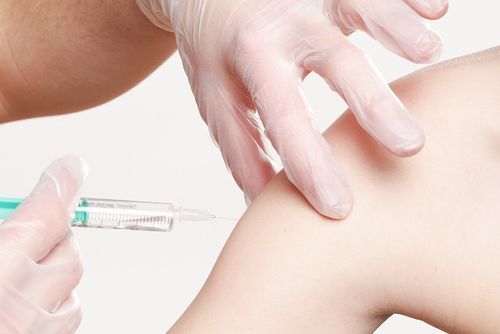
As the leaves turn and the air grows crisp, the fall season ushers in a familiar ritual for many: the annual flu shot. In a year marked by the unprecedented challenges of the COVID-19 pandemic, the importance of receiving a flu vaccination has never been more pronounced. The flu shot serves as a critical tool in maintaining personal health and reducing the strain on healthcare systems during the cold and flu season. By examining the CDC's recommendations and consulting with experts like Amira Roess, Ph.D., M.P.H., an infectious disease specialist at George Mason University, we can explore the benefits of the flu shot and how to maximize its effectiveness.
The Benefits of Getting a Flu Shot
The flu shot is not just about personal protection; it contributes to the collective well-being of communities. By reducing the incidence of flu cases, the flu shot helps alleviate the burden on healthcare facilities, allowing them to focus on other critical care needs. Moreover, it plays a vital role in safeguarding high-risk groups, including children, working-age adults, older adults, and pregnant women, by minimizing the transmission of the flu. Studies have demonstrated that vaccination can mitigate the severity of symptoms should one contract the flu, providing an additional layer of protection.
Who Should Get a Flu Shot
The CDC advocates for universal vaccination, recommending that individuals over six months of age receive a flu vaccine each year, with few exceptions. Those at higher risk for complications from the flu, such as adults aged 65 and older and individuals with chronic conditions like asthma, heart disease, and diabetes, are particularly encouraged to get vaccinated. There are flu vaccines specifically approved for children as young as six months and adults over 65, underscoring the importance of tailored protection.
Maximizing the Effectiveness of Your Flu Shot
1. Timing is Everything
The timing of your flu shot is crucial. As flu season begins to take hold, it is advisable to get vaccinated early to ensure protection. The CDC recommends receiving the vaccine by the end of October for optimal effectiveness. This is because it takes approximately two weeks for the body to develop sufficient antibodies to combat the flu after vaccination. Delaying vaccination may result in inadequate protection.
2. Prioritize Sleep
Adequate sleep is essential for a robust immune response to the flu vaccine. Sleep scientist Matt Walker has highlighted that individuals getting less than seven hours of sleep per night are three times more likely to catch a cold compared to those who sleep more. Studies have shown that those not getting enough sleep before their flu shot may experience reduced vaccine efficacy. Sleep is when our immune system repairs and rebuilds, making it crucial for vaccine utilization.
3. Exercise Regularly
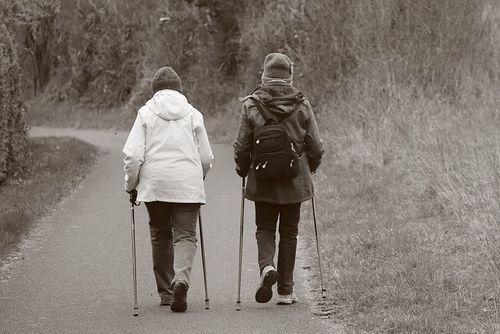
Regular physical activity is another factor in ensuring your body is in optimal health to respond to the flu vaccine. Maintaining fitness and a healthy weight can reduce the risk of chronic illnesses that may increase susceptibility to flu complications. Research has indicated that regular cardiovascular exercise can enhance the body's response to the flu vaccine over an extended period.
4. Maintain a Healthy Gut
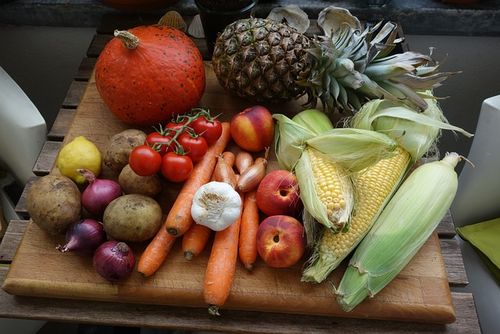
While no food provides an immediate immunity boost, a healthy diet supports a strong immune system. Foods rich in probiotics, such as yogurt and fermented foods like kimchi and sauerkraut, can play a significant role in maintaining health and fighting off infections. Incorporating a variety of vegetables, fruits, and whole grains into your diet can nourish your body and enhance the effectiveness of the flu vaccine.
Conclusion
The flu shot is a vital component of staying healthy during the seasonal transitions, especially amidst a global pandemic. By timing your vaccination appropriately and maintaining a healthy lifestyle, you can optimize the prevention offered by the flu shot. As Roess emphasizes, "Getting an adequate amount of sleep, staying physically active, staying hydrated, and eating healthy foods will boost your overall health, including your immune system." Additionally, practicing good hygiene, such as frequent hand-washing and disinfecting high-touch surfaces, can help prevent the spread of the flu and other diseases. By taking these steps, we can protect not only ourselves but also those around us, contributing to a healthier community as a whole.
By Megan Clark/Jan 3, 2025

By Victoria Gonzalez/Jan 3, 2025

By Jessica Lee/Jan 3, 2025
By George Bailey/Jan 3, 2025

By Emma Thompson/Jan 3, 2025

By Victoria Gonzalez/Jan 3, 2025

By David Anderson/Jan 3, 2025

By Michael Brown/Jan 3, 2025

By Megan Clark/Jan 3, 2025

By Daniel Scott/Jan 3, 2025

By Sophia Lewis/Jan 3, 2025

By Jessica Lee/Jan 3, 2025

By David Anderson/Jan 3, 2025

By Emma Thompson/Jan 3, 2025

By James Moore/Jan 3, 2025
By Daniel Scott/Dec 27, 2024

By Amanda Phillips/Dec 27, 2024

By Joshua Howard/Dec 27, 2024

By Noah Bell/Dec 27, 2024

By James Moore/Dec 26, 2024