Stains are the unsung villains of the laundry world, striking at the most inconvenient of times and leaving their mark on our favorite clothing, upholstery, and rugs. They seem to appear from nowhere, ruining the fabric of our daily lives with their stubborn persistence. Yet, the battle against stains is not one of hopelessness; it is a challenge that can be met with the right knowledge, tools, and techniques.
The saga of stain removal begins with the morning commute, where coffee and tea often play the role of the antagonist. A spill can turn a crisp shirt into a battlefield, but the University of Georgia Cooperative Extension offers a strategic defense: rinse the stain in cold water, then soak it in a solution of warm water, dishwashing soap, and white vinegar for 15 minutes. This mixture, a classic combination of cleansing and de-staining agents, can weaken the enemy before the final rinse and launder as normal. For furniture or rugs, a similar mixture can be applied, blotting the area until the stain relinquishes its grip.
Wine and fruit stains, with their vibrant colors, are a different breed of foe. They require a swift response, blotting as much residue as possible without rubbing, which can cause the stain to spread. A mixture of hydrogen peroxide and dishwashing liquid is then applied, weakening the stain before it is finally banished in a cold wash. This approach, as explained by Leanne Stapf of The Cleaning Authority, uses the power of hydrogen peroxide to break down the stain and the detergent to tackle dirt and particles.
Chocolate, that sweet treat that sometimes turns against us, leaves a gooey mess that requires a multi-step counterattack. Excess chocolate is first scraped away, followed by a rinse with a cold water and laundry detergent mixture. This preliminary assault is followed by a soak in cold water, allowing the detergent to penetrate the stain's defenses. For upholstered furniture, cold water is poured directly onto the stain, then rubbed with a cloth and detergent, a method that leverages the power of cold to shock the stain into submission.
Tomato sauce, a common culinary creation that can turn against us during cooking, requires a quick response to prevent the stain from spreading. A cloth dampened with cold water is used to blot the stain, followed by the application of lemon, which, with its acidic properties, lifts the sauce from the fabric. This is a tactic that utilizes the natural acids in lemons to break down the pigments in the sauce, as explained by Stapf. A final rinse with cold water and a thorough blotting complete the operation, ensuring the stain is eradicated before the fabric is washed.
Gum, that sticky invader, requires a different kind of strategy. Ice cubes are used to freeze the gum, hardening it and making it easier to scrape off with a butter knife. This method, as suggested by Emil Perushanov of Top Cleaners, turns the gum's stickiness against it, using cold to solidify and remove the intruder.
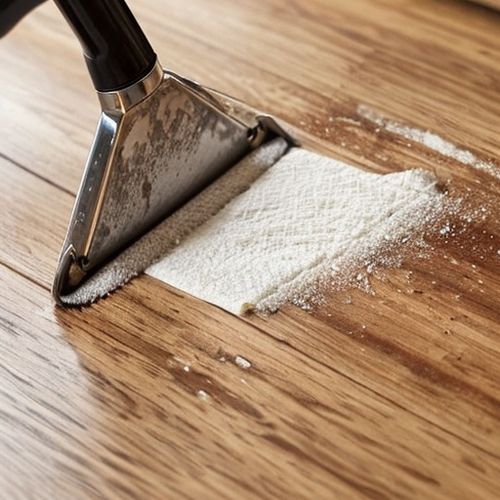
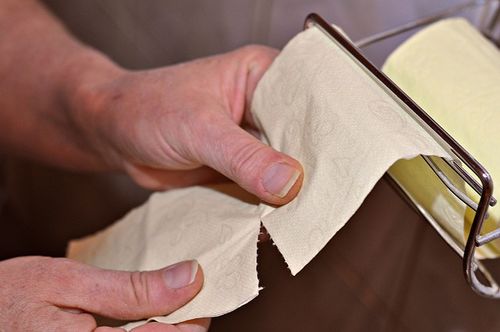
Grease, that slippery foe, requires a more absorbent approach. After scraping off any remaining food, paper towels are used to blot the stain, absorbing as much grease as possible. Baking soda or cornstarch is then sprinkled on both sides of the fabric, acting as a drying agent to absorb the grease. Dishwashing liquid, which soaks in better than laundry detergent or stain spray, is applied next, allowing it to sit before rinsing. This method, as Stapf suggests, uses the absorbent properties of baking soda and the penetrating power of dishwashing liquid to tackle the greasy stain.
Food dye or ink, with their intense colors, are perhaps the most daunting of all stains. For blue, green, and purple food coloring, liquid detergent is dabbed onto the stain, followed by a soak in oxygenated bleach. For ink, rubbing alcohol is used to break down the pigments. These steps, as outlined by the University of Illinois Extension, involve using the bleaching power of oxygenated bleach and the solvent properties of rubbing alcohol to dissolve the stain.
Grass or mud, the earthy stains that come from outdoor adventures, are met with a similar strategy. Liquid detergent is applied, followed by a soak and scrub with a clean cloth. This approach, as Chiu suggests, uses the cleaning power of detergent to break down the organic matter in the stain.
In conclusion, the war against stains is one that can be won with the right tactics and perseverance. Whether it's the morning coffee spill, the evening wine mishap, or the child's muddy footprints, each stain is a challenge that can be overcome. By following these guidelines and treating stains with the respect they demand, we can preserve our fabrics and maintain the cleanliness of our living spaces. Now, armed with knowledge and prepared with the right tools, we can face the battle cry of stains and emerge victorious.

By Megan Clark/Jan 3, 2025

By Victoria Gonzalez/Jan 3, 2025

By Jessica Lee/Jan 3, 2025

By George Bailey/Jan 3, 2025

By Emma Thompson/Jan 3, 2025

By Victoria Gonzalez/Jan 3, 2025
By David Anderson/Jan 3, 2025
By Michael Brown/Jan 3, 2025
By Megan Clark/Jan 3, 2025

By Daniel Scott/Jan 3, 2025

By Sophia Lewis/Jan 3, 2025

By Jessica Lee/Jan 3, 2025
By David Anderson/Jan 3, 2025

By Emma Thompson/Jan 3, 2025
By James Moore/Jan 3, 2025
By Daniel Scott/Dec 27, 2024
By Amanda Phillips/Dec 27, 2024
By Joshua Howard/Dec 27, 2024
By Noah Bell/Dec 27, 2024
By James Moore/Dec 26, 2024